Santorini Sundried Tomato Sourdough Bread: Recipe, and Why You Must Try It at Karma
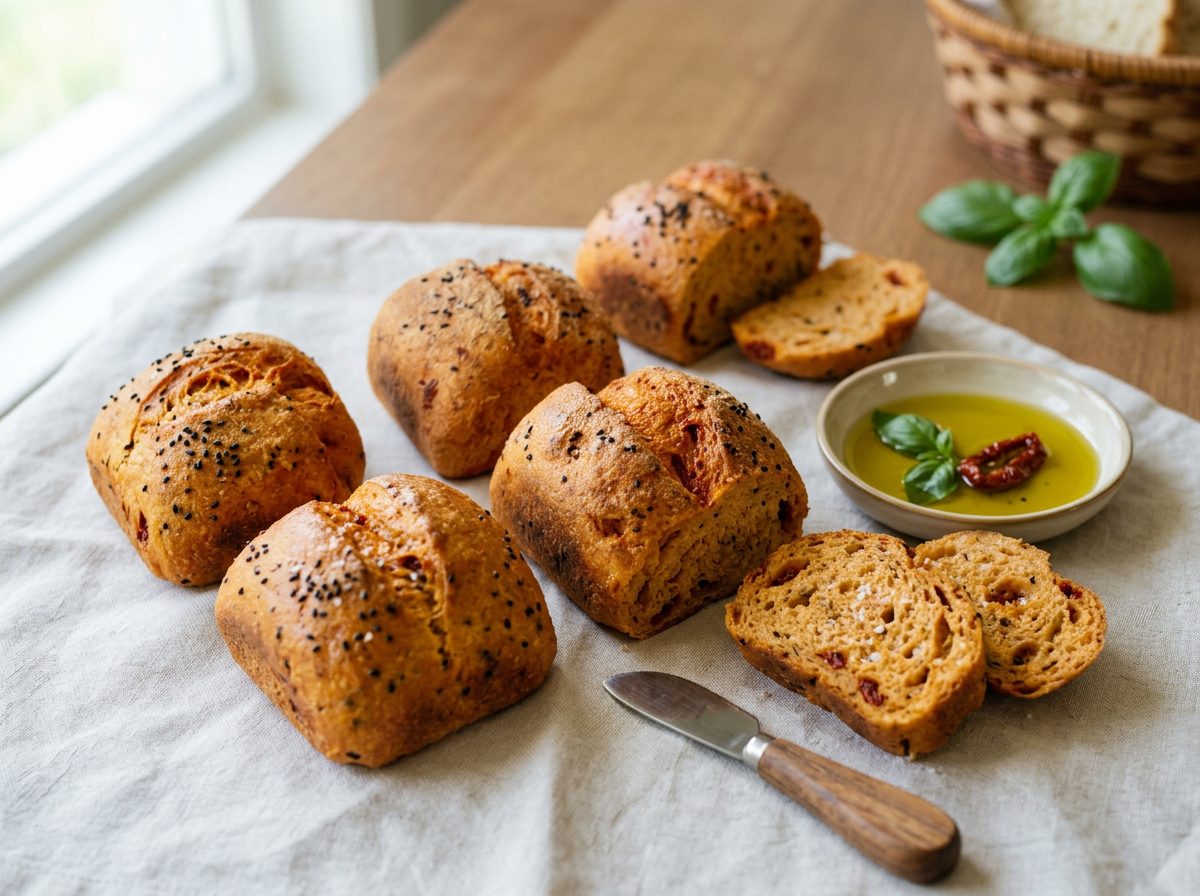
Table of Contents
Introduction — A Taste of Santorini
Why This Bread Belongs on Your Santorini Food List
What Makes Karma Greek Restaurant a Must-Visit
Ingredients for Santorini Sundried Tomato Sourdough Bread
Step-by-Step Recipe: How to Make the Bread at Home
How to Serve: Perfect Pairings (Fava, Shrimp Saganaki & More)
Travel & Dining Tips for Santorini Visitors
Top Reasons to Try Karma’s Fresh Daily Sourdough
FAQ
Conclusion

Introduction — A Taste of Santorini
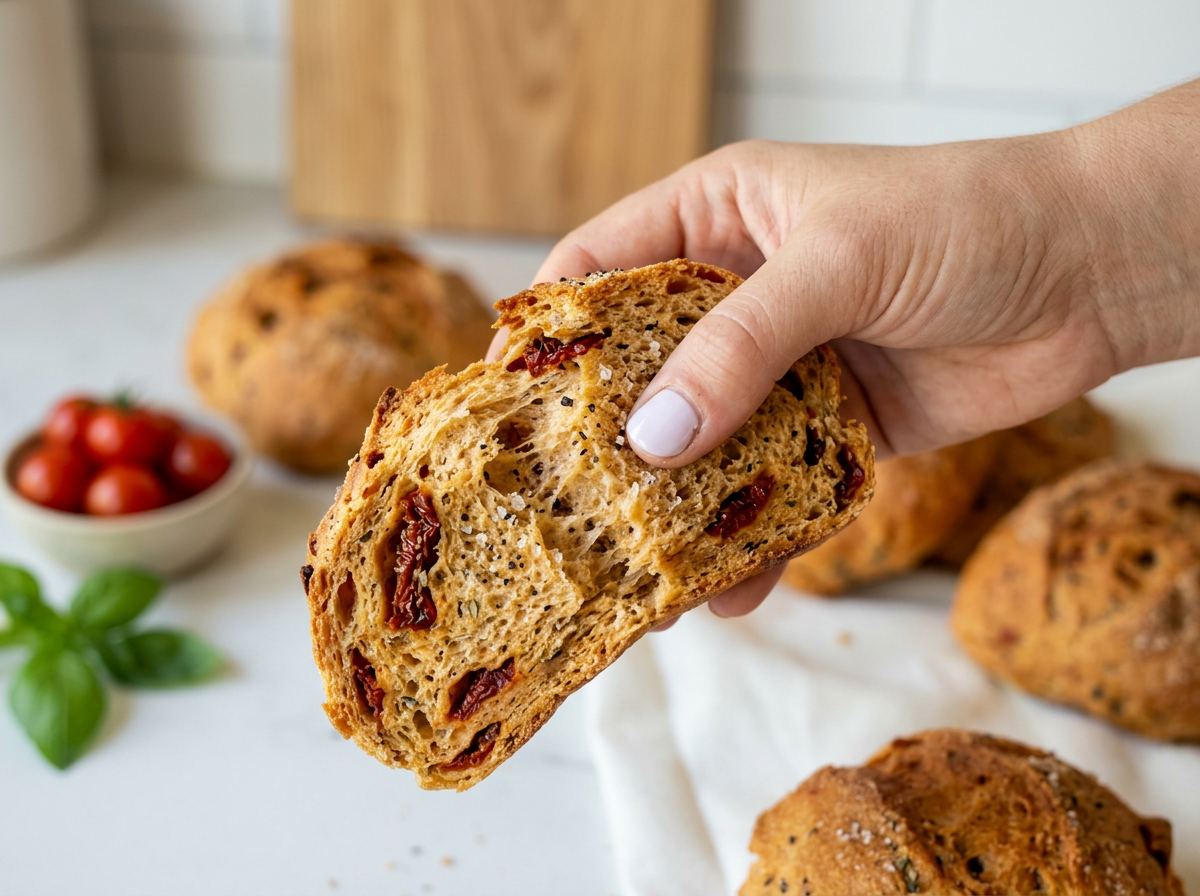
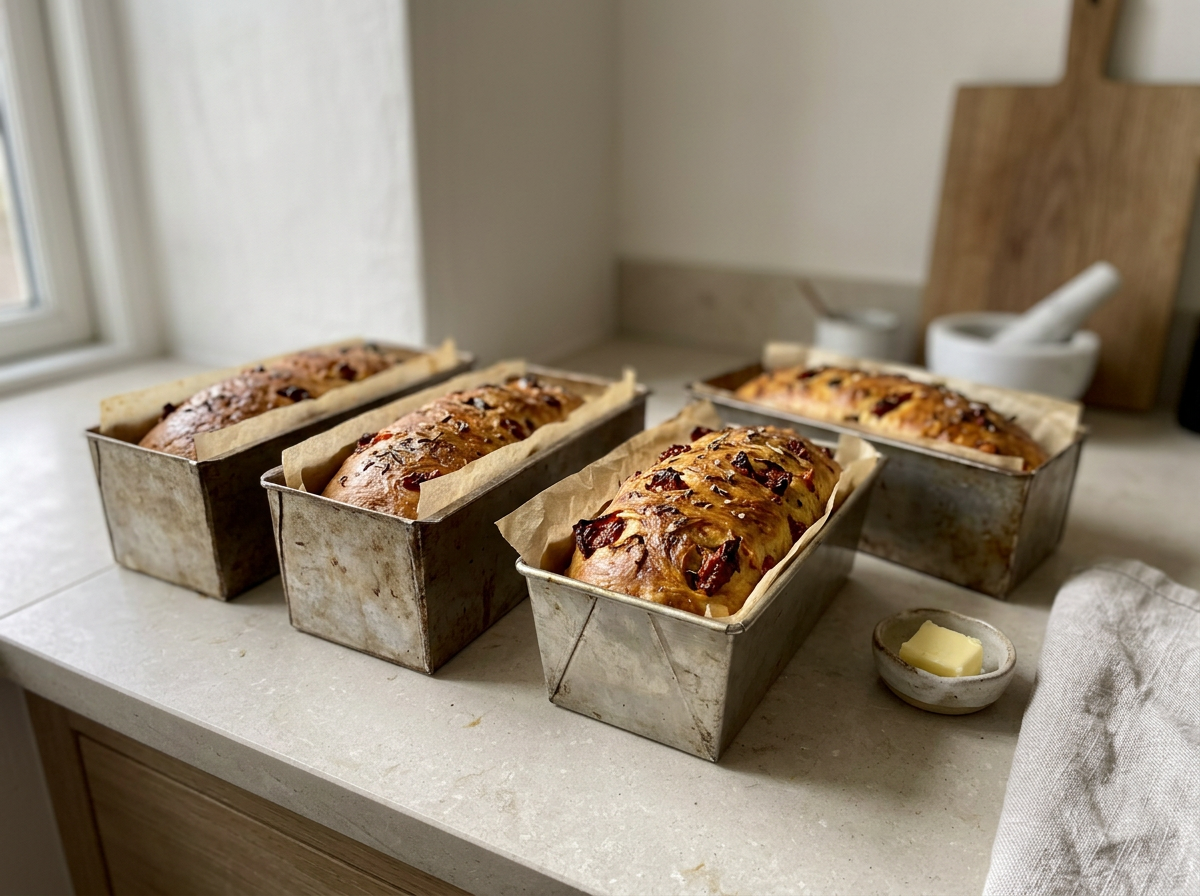
Experience the sun-soaked flavors of the Aegean with this authentic Santorini sundried tomato sourdough bread. Whether you’re planning a Greek island trip or recreating island flavors at home, this recipe and travel guide will help you savor every bite. Expect rustic crust, tender crumb, and bursts of Mediterranean herbs—perfect alongside Santorini specialties like creamy fava and sizzling shrimp saganaki.
Why This Bread Belongs on Your Santorini Food List
- Traditional island ingredients: olive oil, sun-dried tomatoes, thyme, and tangy sourdough. - Versatile pairing: complements both vegetarian plates and seafood dishes. - Memorable texture: crunchy exterior with a chewy, open crumb that highlights local flavors.
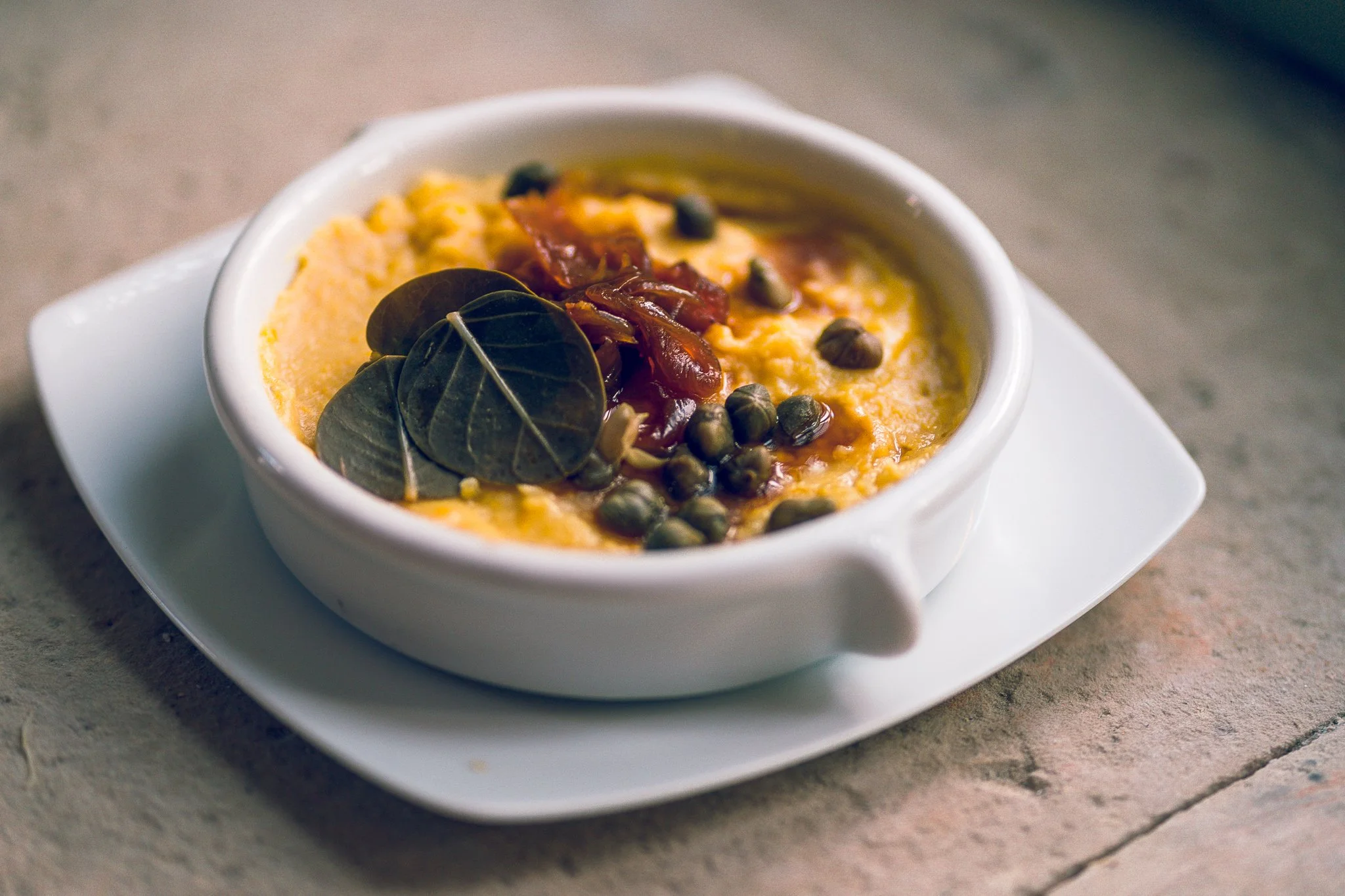
What Makes Karma Greek Restaurant a Must-Visit
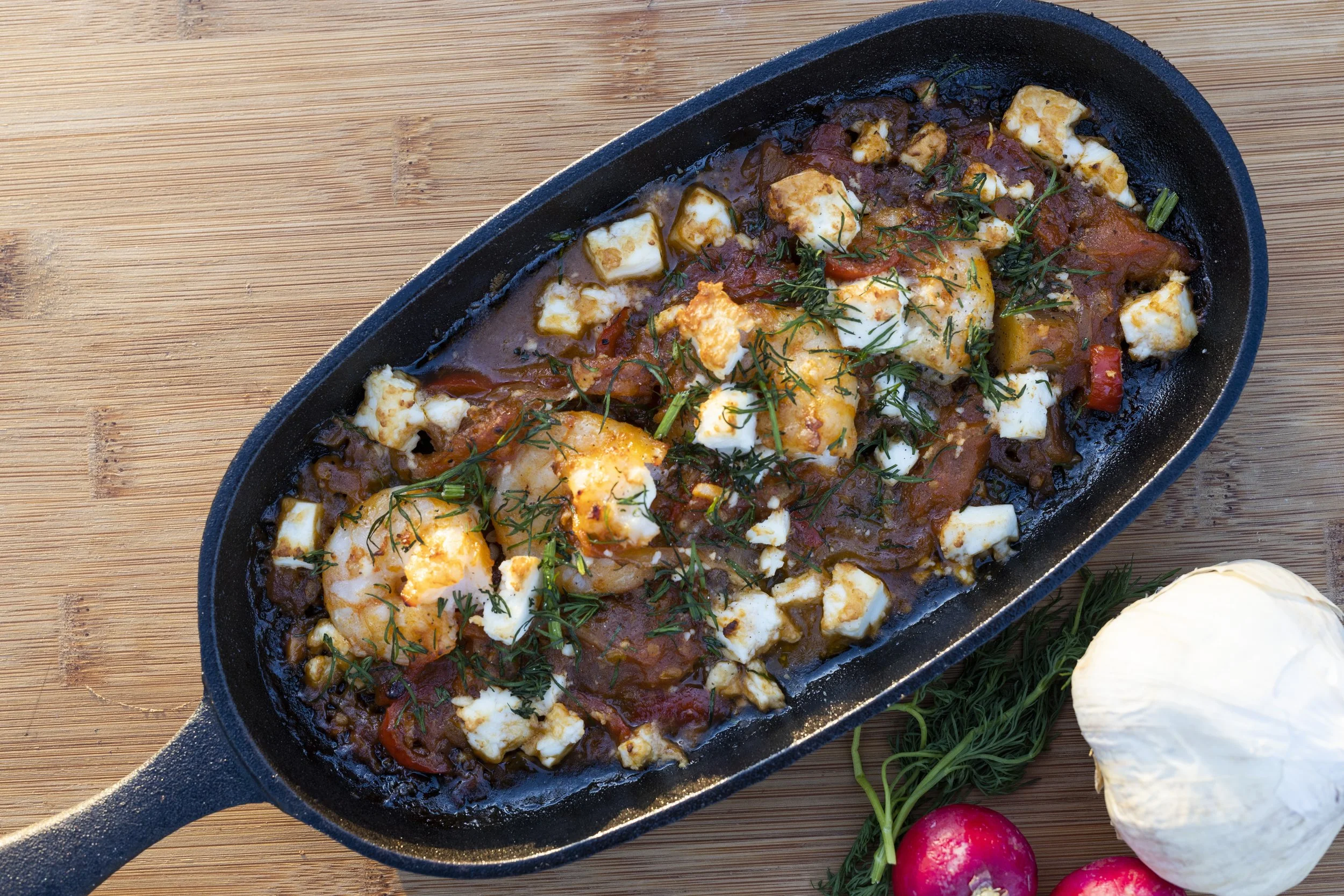
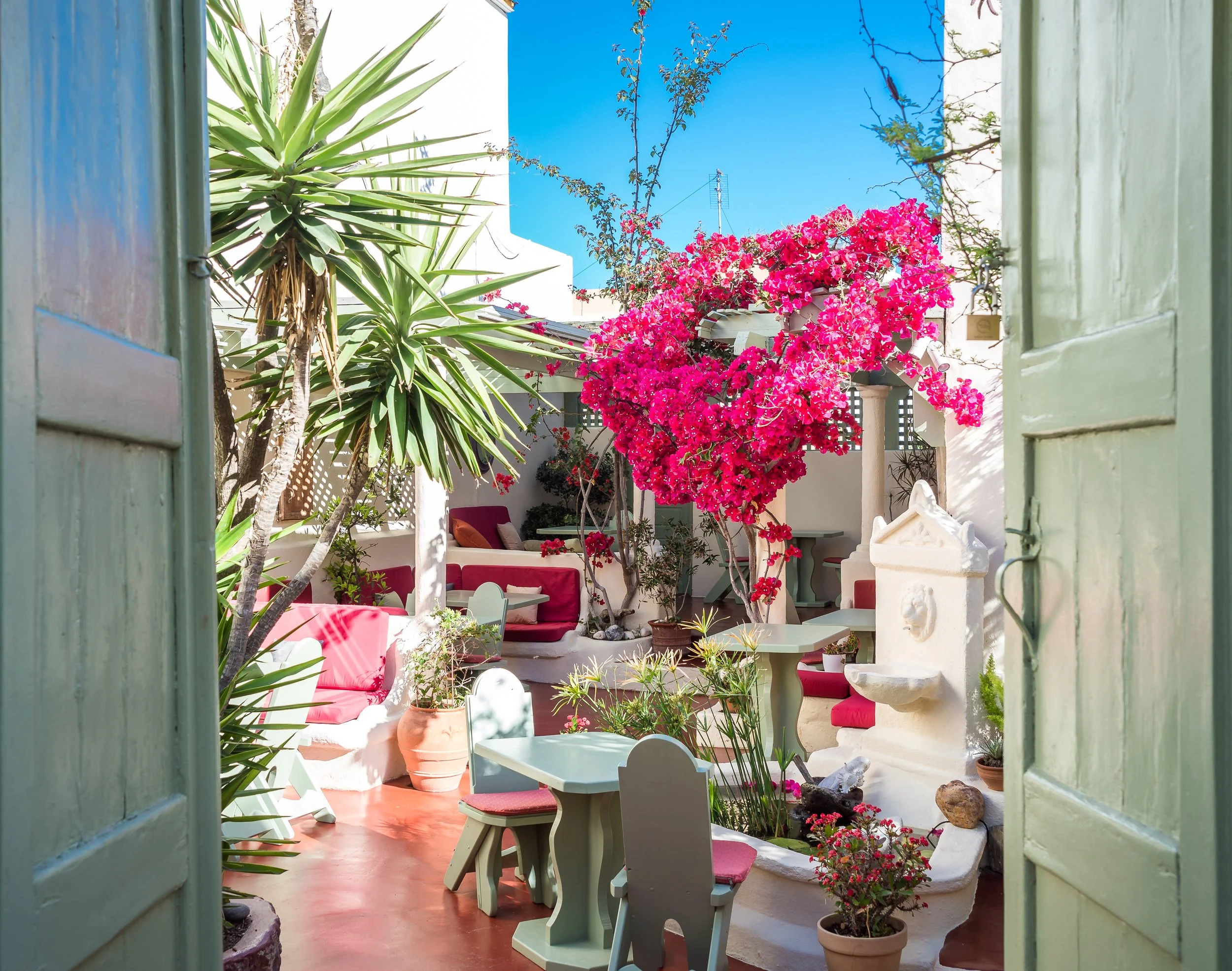
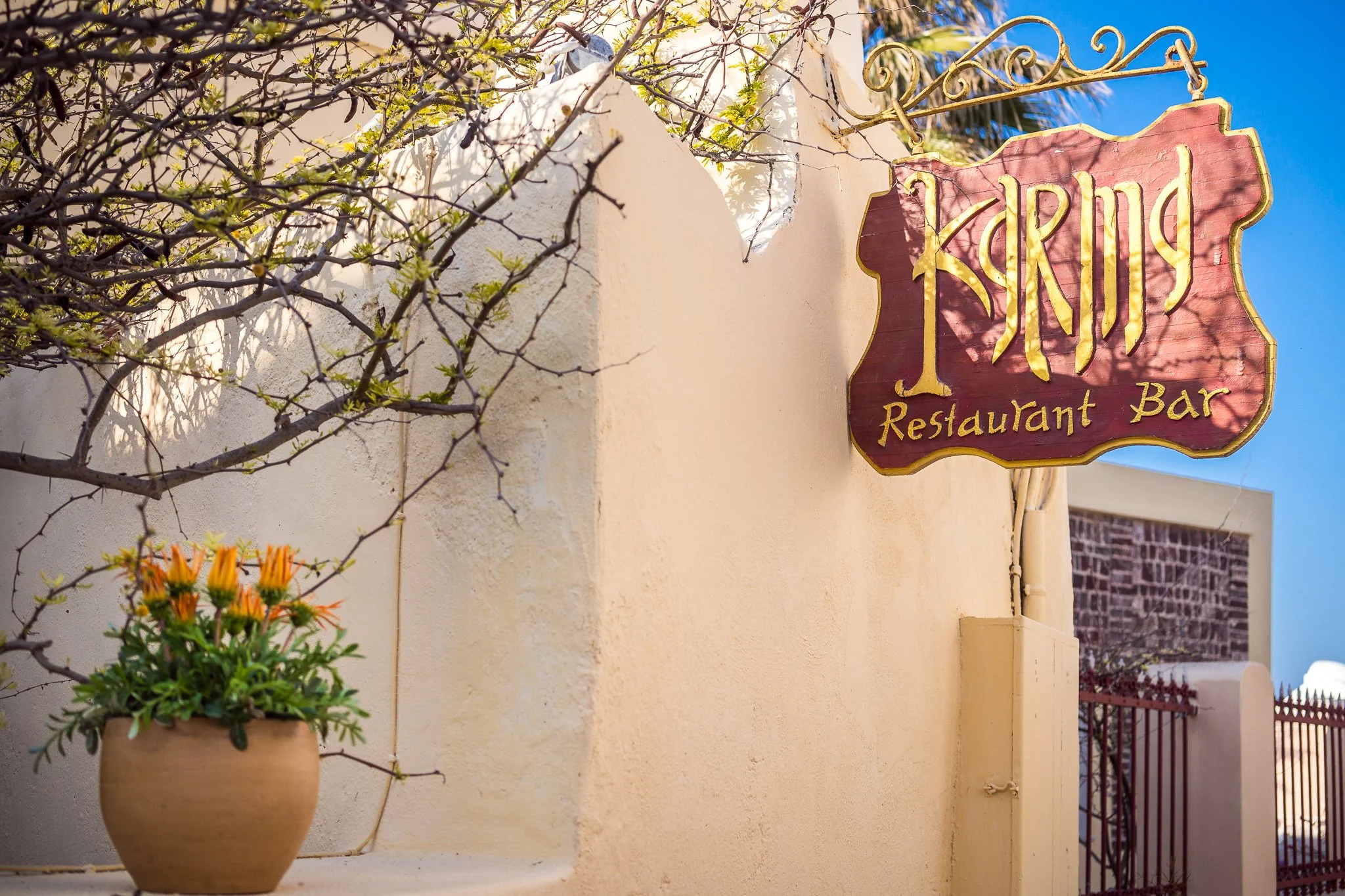
Karma stands out for serving fresh, daily-made breads using a time-honored sourdough starter. Their bread is baked each morning and paired with island specialties—try it with their silky Santorini fava or the aromatic shrimp saganaki. The result is a balanced, authentic meal that captures the island’s essence.
Ingredients for Santorini Sundried Tomato Sourdough Bread
- 500 g bread flour
- 350 g water (70% hydration)
- 150 g active sourdough starter (100% hydration)
- 10 g sea salt
- 80–100 g chopped sun-dried tomatoes (oil-packed, drained and roughly chopped)
- 30 g extra virgin olive oil
- 1–2 tsp dried oregano or fresh thyme, chopped
- Optional: 1 tbsp chopped kalamata olives or 30 g grated kefalotyri/parmesan for variation
Step-by-Step Recipe: How to Make the Bread at Home
Preparation (Day 1 — Morning)
Feed your sourdough starter 4–8 hours ahead so it’s active and bubbly.
In a large bowl, combine 350 g water with 150 g active starter; mix until dissolved.
Add 500 g flour and mix until no dry bits remain. Cover and autolyse for 30–60 minutes.
Mixing & First Fermentation (Bulk)
4. Add 10 g sea salt, 30 g olive oil, chopped sun-dried tomatoes, and oregano/thyme. Mix thoroughly by stretch-and-fold or knead until ingredients are incorporated.
5. Perform 3–4 sets of stretch-and-folds every 30 minutes over 2 hours (or until dough shows strength).
6. Let the dough rest at room temperature for a total bulk fermentation of 3–5 hours, or until it has risen ~30–50% and shows air bubbles.
Shaping & Cold Proof
7. Turn the dough out onto a lightly floured surface, shape into a tight boule or batard, and place seam-side up in a floured banneton or bowl lined with a floured cloth.
8. Refrigerate for 8–18 hours (overnight) for deeper flavor and easier slicing.
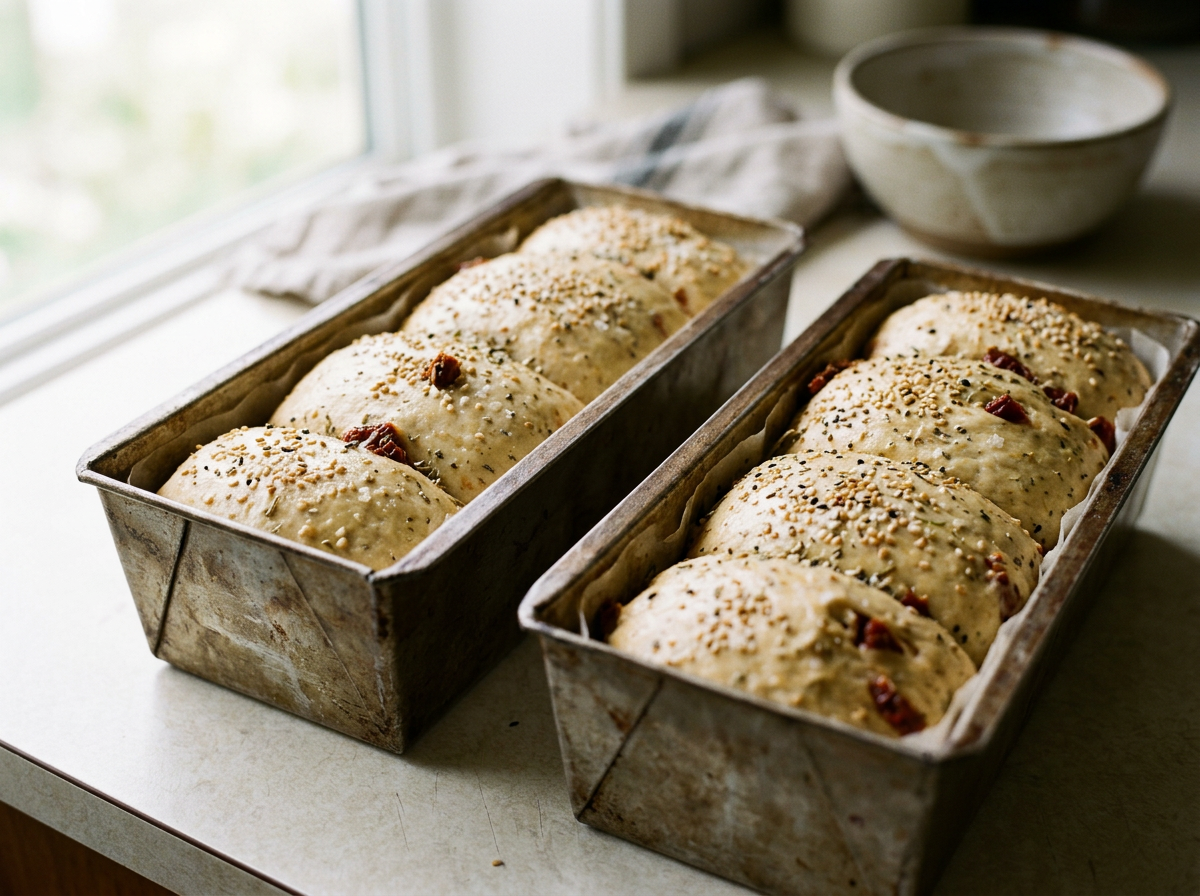
Baking
9. Preheat oven to 250°C / 480°F with a Dutch oven or baking stone inside for at least 45 minutes.
10. Score the loaf and place it into the preheated Dutch oven (or onto the stone), cover (if using a Dutch oven). Reduce oven to 230°C / 450°F.
11. Bake covered for 20 minutes, then uncover and bake another 15–25 minutes until deeply golden and crusty. Internal temperature should reach ~96°C / 205°F.
12. Cool completely on a wire rack before slicing (minimum 1 hour).
Baker’s Notes
For a more intense sundried tomato flavor, briefly marinate chopped tomatoes in olive oil, garlic, and oregano before adding to dough.
Adjust hydration by ±10 g water if dough feels too stiff or too slack.
Use a preheated Dutch oven for best oven spring and crust.
How to Serve: Perfect Pairings (Fava, Shrimp Saganaki & More)
- Serve warm slices with a drizzle of extra virgin olive oil and flaky sea salt. - Pair with Santorini fava— creamy split-pea purée with lemon and onion; the sourdough soaks up the rich texture. - Complement with shrimp saganaki— tomato-based shrimp with feta; tear-and-dip the bread into the sauce for a classic island experience. - Add olives, fresh tomatoes, and capers for a complete mezze board.
Travel & Dining Tips for Santorini Visitors
- Book dinner reservations early—popular spots like Karma often fill for sunset service. - - Pair local wines (Assyrtiko) with your meal for bright acidity that cuts through olive oil and cheese.
Top Reasons to Try Karma’s Fresh Daily Sourdough
1. Authentic sourdough starter and slow fermentation deliver superior flavor.
2. Daily-baked loaves mean optimal freshness and texture.
3. Thoughtful pairings: Karma pairs bread purposely with Santorini fava and shrimp saganaki for maximum taste impact.
4. Atmosphere and service that reflect island hospitality—meals feel like home.
FAQ
Q: Can I make this bread without a sourdough starter?
A: Yes—substitute 7 g instant yeast and reduce water slightly; expect different flavor and texture. For authentic tang and deeper flavor, use a sourdough starter.
Q: How long does the bread keep?
A: Best eaten within 2 days. Store in a paper bag at room temperature; re-crisp in a hot oven for 5–8 minutes.
Q: Can I add other mix-ins?
A: Absolutely—olives, rosemary, grated cheese, or roasted garlic all work well.
Q: Why pair with fava and shrimp saganaki?
A: The sourdough’s tang and texture balance the creamy fava and the tomato-feta richness of shrimp saganaki, creating complementary contrasts typical of Greek cuisine.
Conclusion
Bring Santorini to your kitchen with this flavorful sundried tomato sourdough bread—an easy way to enjoy island tastes at home. Or better yet, taste the real thing at Karma Greek Restaurant, where their fresh daily-made sourdough paired with Santorini fava or shrimp saganaki creates a memorable dining moment. Plan your visit, reserve a table , and don’t forget to order the bread—your taste buds will thank you.

Explore More : Complete Greek Islands Travel Guide
About the Author | Toto Kuo
I’m Toto Kuo, a Taiwan-born photographer and traveler now based in Santorini, Greece. After exploring 80+ countries and living abroad in Canada, New York, and Paris, I settled in Oia, where I run Karma Greek Restaurant and a Santorini wedding photography studiowith my Greek husband.
Here I share my passions for photography, travel, food, and culture — from Greek islands travel guides and Greek island hopping tips to local food recommendations and secret photo spots. If you’re planning a trip to Santorini or looking for wedding photography inspiration, I’d love to help you capture the island’s magic.
